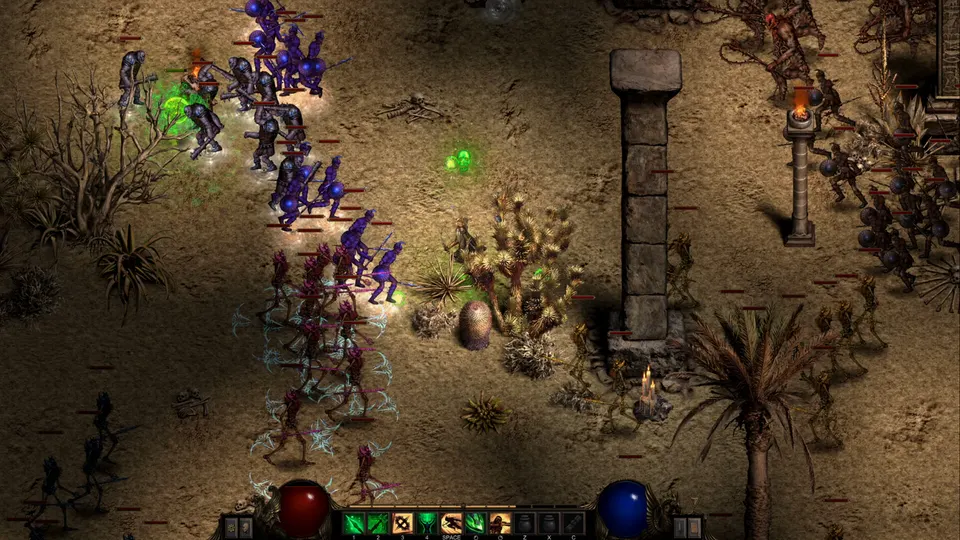
Shadow Dungeon throws a surprising amount of ARPG machinery at you in the first hour: talent trees, auto attack, merchants, reforging, gems, filters, potions, a stash, teleports, piles of gear and enough colored effects to make you wonder whether you accidentally skipped a tutorial.
You did not. The game is simply dense.
This guide is the “tell me what matters right now” version.
1. Pick the class by playstyle, not by a day-one tier list
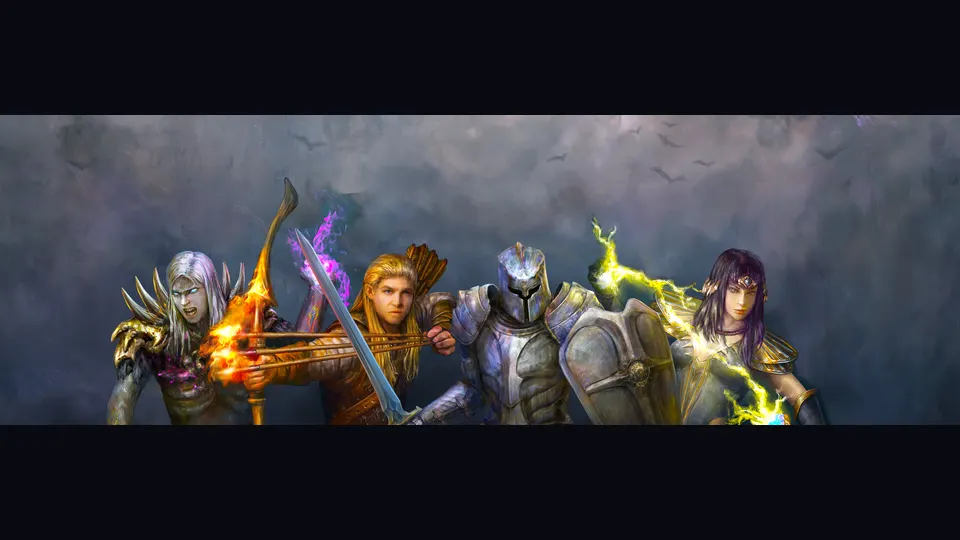
You get four launch classes: Sorcerer, Holy Warrior, Archer and Necromancer. Each has three talent paths.
If you want the safest first pick from the evidence we actually have, Sorcerer is easy to recommend because launch-day footage gives us a clear tested lightning path. Necromancer is the obvious summon choice. Archer gives you distance. Holy Warrior is the melee commitment.
Do not burn half an hour looking for a definitive “best class” answer. Greater Rift balance is still being figured out.
2. Spend your first skill point before you panic about attacking
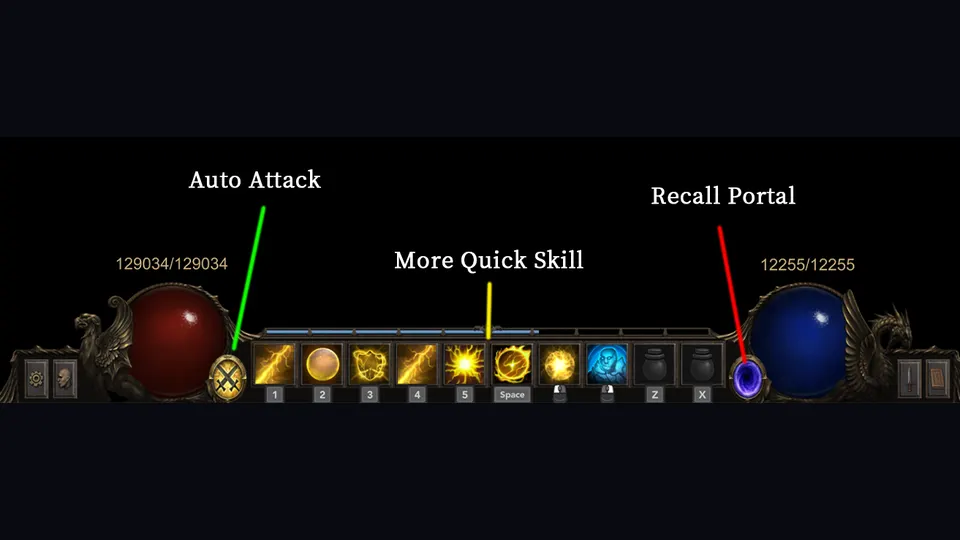
A very real early confusion point is “why am I not attacking?” The game expects you to choose an initial talent skill and put it on the shortcut bar.
Launch footage shows the tutorial explicitly walking the player through the talent tree and skill assignment. Once the first active skill is on the bar, combat makes sense immediately. Demo players independently reported the same confusion: the little sword-looking bar icons were not a usable basic attack until they actually learned and bound a skill.
Do not memorize the old forum answer that says “press Q.” That was Demo-era advice. The full-release build shown in our launch footage used different defaults, and controls can be remapped. The reliable instruction is: open your current talent screen, learn the first active skill, and bind it to a slot.
3. Learn the three town stations you will keep revisiting
Early town has three services worth mentally bookmarking:
- Merchant: buys your junk, sells useful consumables, and in the tested build sold a Forgetfulness Potion for talent resets.
- Blacksmith / Weaponsmith: reforges equipment and lets you clean up elemental mismatches.
- Gem processing station: combines gems and interacts with rune-related systems.
You do not need to master crafting immediately. Just know where the knobs are before your inventory becomes a junk drawer.
4. Turn on a loot filter before loot becomes the game
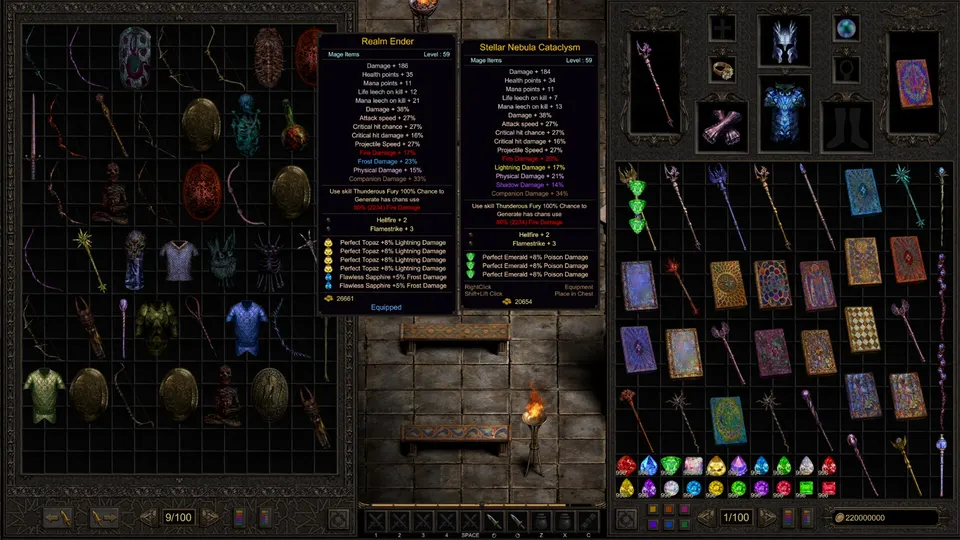
Shadow Dungeon is extremely generous with drops. That is fun for the first thirty minutes. Then your backpack starts feeling like a spreadsheet with swords in it.
Full-release gameplay shows the pickup filter in settings and the player tightening it from “pick everything” toward higher rarity thresholds. Demo community feedback had already pushed the developer toward a filter because auto-pickup without control was getting annoying.
Our advice: keep the filter broad while your gear is bad, then tighten it once you are replacing items every few rooms instead of every few seconds.
Do not copy someone else’s rarity threshold blindly. If you still need basic slot upgrades, filtering too aggressively just hides useful gear.
5. Shiny chests are worth the detour
Across multiple gameplay runs, players repeatedly went out of their way for visibly brighter chests and found them worth checking. That is a gameplay observation, not a published drop-rate formula.
We are not going to tell you “shiny chest = 17% more legendary chance.” Nobody has verified that number.
What we can say is simple: if the map is nearly clear and a chest is right there, open it before you leave.
6. Finish what you want in a zone before teleporting away
One of the more painful lessons from full-release footage: leaving a zone can reset it. A player teleported to town to make inventory room, returned, and found the area repopulated/reset instead of preserving every loose drop exactly where it was.
So if there is a chest, a boss-room transition, or a pile of gear you actually care about, deal with it first.
7. Use sort and class-aware selling instead of hand-inspecting every trash item
The inventory has sorting tools, and tested gameplay showed a shortcut for selling items from other classes. The merchant also has buyback, so an accidental sale is not always the end of the world.
That matters because the game is designed around a massive item pool. If you manually compare every green item forever, you will spend more time in menus than in dungeons.
8. Do not be afraid to respec
The tested merchant sells a Forgetfulness Potion that resets talent skills. Patch 1.0.1 also fixed a respec-related bug with pinnacle talents.
That is a huge permission slip: try the weird branch.
You do not need to restart a character because you spent a few points learning what a skill actually feels like.
9. Map level matters more than your character level
This is one of the biggest official 1.0 rules:
monster levels and item drops are tied to the map, not to your character level.
So the answer to “should I grind the first area forever to make later maps scale down?” is no. Play forward, gear for the map you are on, and treat campaign progression as the intended leveling route.
The full story is 160 maps, roughly 30–50 hours, and is tuned to put you around level 99–100 by the end.
10. Stay on patch 1.0.1 or newer
This is not optional launch-week housekeeping. Patch 1.0.1 fixed issues that can completely distort your experience, including:
- XP not being obtainable
- controllers not being recognized
- controller frame drops
- fairy auto salvage
- health values not displaying
- monster element types not displaying
- backpack sort hotkey failure
- respec cleanup issues
If something feels fundamentally broken, check your version before rewriting your build around a bug.
First-hour checklist
- Pick the class whose basic combat you enjoy.
- Spend the first talent point and bind the active skill.
- Learn merchant, blacksmith and gem station locations.
- Keep the loot filter broad at first, then tighten it.
- Open useful chests before leaving the area.
- Sort/sell in batches instead of comparing every trash drop.
- Keep a Forgetfulness Potion in mind if the tree feels wrong.
- Move through the campaign instead of over-grinding a low map.
- Update to 1.0.1 or newer.
- Once the game gets comfortable, start thinking about a real build — not before.