
If you are staring at the character-select screen and thinking, “Fine, but which one is actually fun?”, here is the useful answer: pick by combat style, not by a launch-week tier list.
Shadow Dungeon launched with four classes — Sorcerer, Holy Warrior, Archer, and Necromancer — and twelve talent trees in total. That means three trees per class, plus more than 370 skills across the game. The important bit is that the game is built around experimenting with talents and loot, not around one sacred build being solved on day one.
Quick pick: which class sounds like you?
| Pick | If this sounds good | What to expect early |
|---|---|---|
| Sorcerer | Big elemental effects, ranged casting, cooldown juggling | Easy-to-read ranged damage, lots of elemental gear decisions |
| Holy Warrior | Melee pressure, blades, staying in the pack | More face-to-face fighting; positioning matters more |
| Archer | Ranged physical play and kiting | Clean target priority and room to move |
| Necromancer | Summons doing part of the dirty work | Companion-heavy play and a less hands-on frontline |
That is deliberately not a “S/A/B/C” table. One day after release, the endgame meta is nowhere near settled enough to pretend otherwise.
Sorcerer: the easiest class to understand from current footage
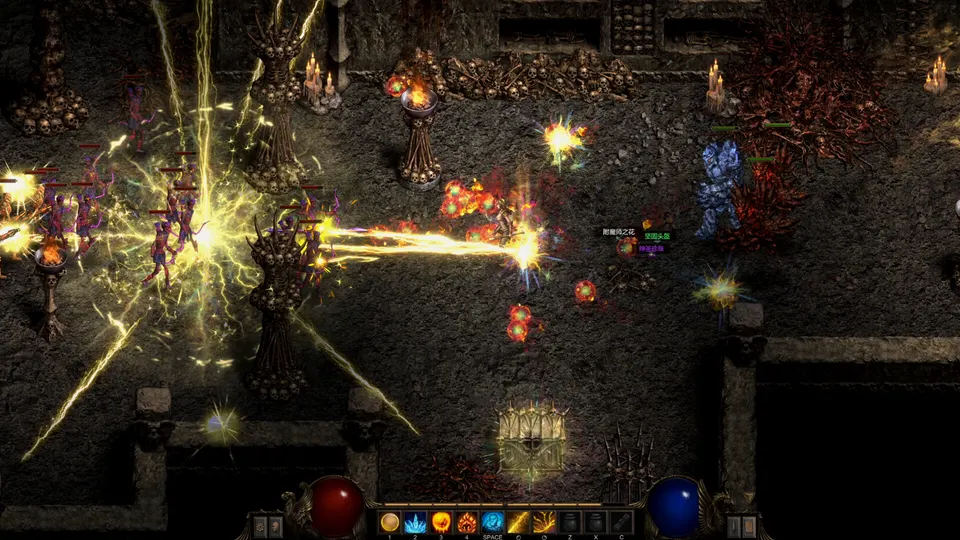
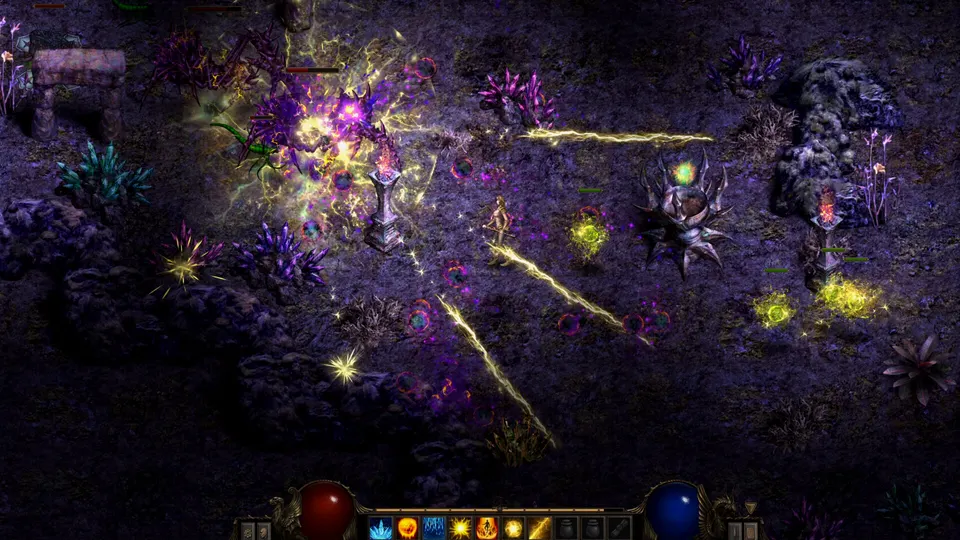
The Sorcerer is the class we currently have the best full-release gameplay evidence for. In launch-day footage, the character UI showed three talent paths labeled Hell Messenger, Storm Lord, and Arcanist. The player went down a lightning-focused Arcanist route and used skills including Lightning Ball, Lightning Barrier, Thunderstrike, Electric Sprite, Thunder Teleport, and Arcane Bomb.
That does not prove “Arcanist is the best Sorcerer tree.” It proves something more useful: a lightning leveling setup is real, playable, and easy to gear toward because the reforging system lets you chase cleaner elemental alignment.
If your ideal ARPG evening is “fill the screen with blue nonsense and make the whole room pop,” Sorcerer is the obvious first look.
Holy Warrior: melee, dual blades, and a lot we are still verifying
The official store says the Holy Warrior can wield dual blades. That is confirmed. What is not safe to publish yet is a precise permanent dual-wield uptime formula, a “best fire tree” rotation, or a guaranteed Blade Soul meta setup for 1.0.
There is older demo discussion around a Blade Soul Paladin build that players called extremely strong, but the full release changed enough — equipment affixes, weapon-granted skills, progression and endgame — that old “best build” claims need fresh testing.
If you like being in melee and do not mind learning defensive timing instead of deleting everything from off-screen, this is the class to watch.
Archer: the straightforward ranged choice
Officially, Archer is the precision class. That is intentionally broad, because current 1.0 evidence is not strong enough to publish a fake skill encyclopedia.
What demo footage did show is the practical appeal: ranged characters can kite, clear packs with area attacks, and spend less time standing on top of enemy telegraphs. The same footage also showed how an easy early campaign can suddenly turn into a boss wall — one Archer player in the Steam community reported cruising through normal enemies before hitting a Chapter 2 boss they could barely dent.
That is exactly why a real Archer guide needs boss footage and 1.0 testing, not a list of invented passives.
Necromancer: the “let the army work” class
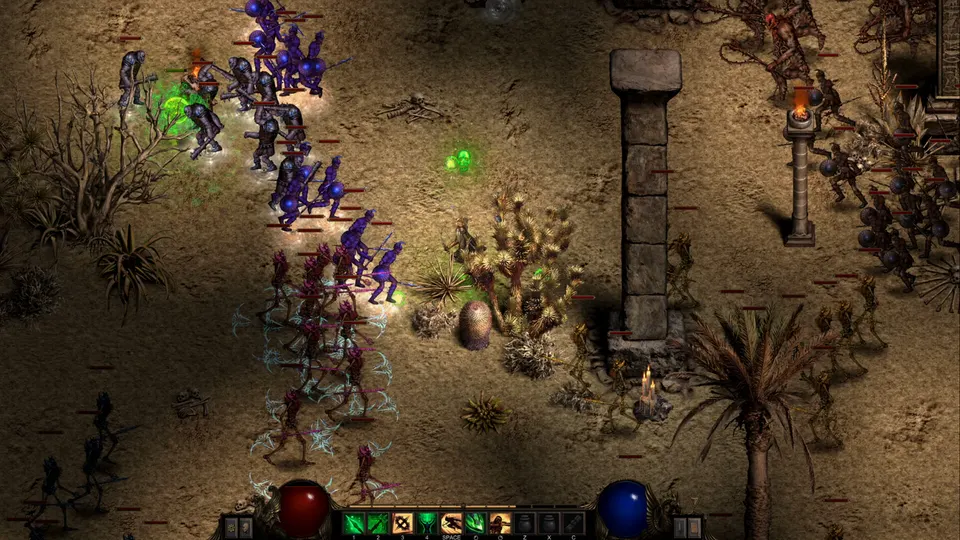
Necromancer is the clearest fantasy of the four: demons and skeletons. The developer has an official gameplay/skill-tree showcase, and demo footage from multiple players shows skeleton-style companions doing frontline work while the player adds ranged or area damage.
The trap here is over-specifying it. Some fan pages currently publish exact summon counts, invented talent names, and supposedly optimal minion mixes without enough evidence. We are not doing that.
Pick Necromancer if you enjoy building around companions and want enemies paying attention to something that is not your health bar.
Do you need to worry about picking “wrong”?
Less than you think.
Full-release gameplay shows a Forgetfulness Potion that resets talent skills, and patch 1.0.1 fixed an issue where pinnacle talents did not clear correctly after a respec. So talent experimentation is part of the game’s real loop.
You still should pick the class whose basic combat style you actually like. A respec can fix a bad tree investment; it cannot magically turn melee into a bow character.
What changes after level 100?
The character level cap is 100. After that, Paragon Levels and the Paragon Talent Tree open as a separate post-cap attribute progression system.
The main story is officially tuned so you land around level 99–100 after roughly 30–50 hours across 160 maps. That makes your class choice a long campaign decision, not a ten-minute tutorial skin.
Our starting recommendation
If you want the best-documented launch-week choice, start Sorcerer. We have enough real footage to build a proper lightning leveling guide without inventing half the page.
If you want the most hands-off fantasy, start Necromancer.
If you want melee, Holy Warrior.
If you want clean ranged kiting, Archer.
That is all the certainty you need on your first character. The rest should come from how the class feels under your hands, not from a tier list written 24 hours after release.