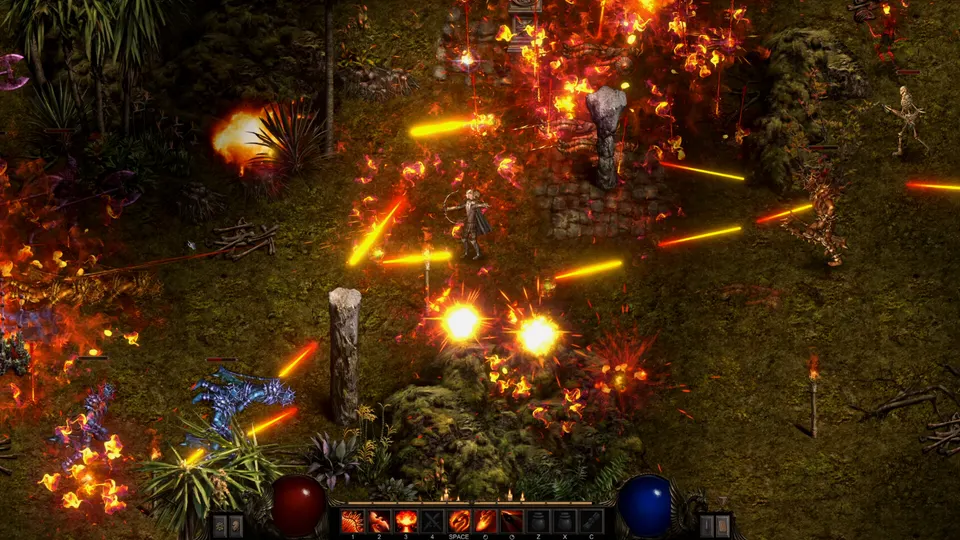
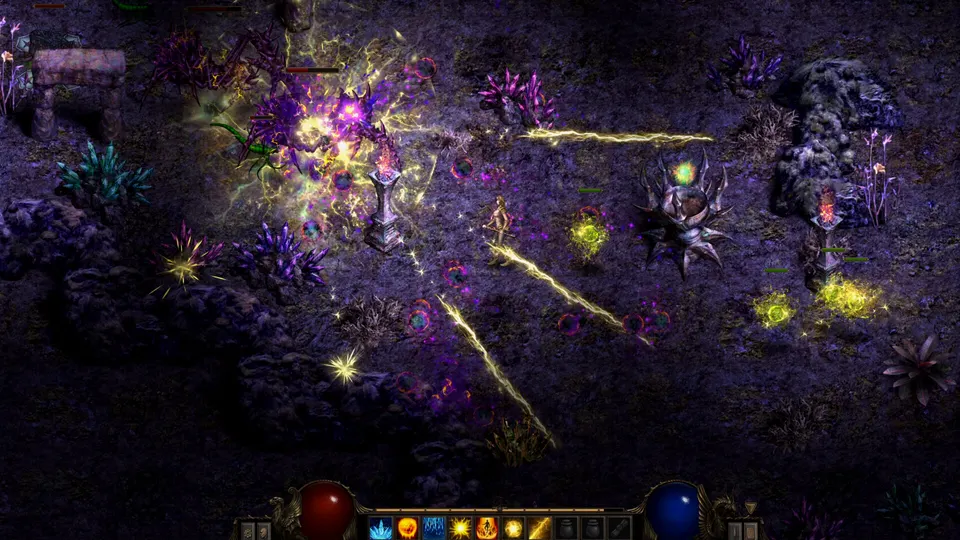
Shadow Dungeon’s main story is not the whole game. The official 1.0 plan is very clear about what happens after you finish it: Greater Rifts, level-100 Paragon progression, and a much deeper item chase.
This is one of the rare pages where we do not need to reverse-engineer the basics from player footage. OO Cat published them directly.
When Greater Rifts unlock
After you complete the main story.
The campaign is 160 maps, roughly 30–50 hours, and is tuned so you finish around level 99–100.
That means Greater Rifts are intended as the post-story loop, not something you should be trying to force open at level 30 because a fan page said “endgame starts early.”
The four Greater Rift difficulties
The official order is:
- Normal
- Master
- Nightmare
- Inferno
Higher difficulty does two documented things:
- increases the chance of rare items
- lets weapons roll more affixes
That is all the numeric certainty we have right now.
We do not have an official “Master = +25% loot” table or a published DPS requirement for Inferno.
October 2026 added the first official floor rule: a mini-boss every 5 levels and a major boss every 10. That is structure, not a loot table. The same post’s Demon Challenge, Treasure Map and Infernal Challenge scrolls open Master / Nightmare / Inferno portals on demand — they do not replace the story-clear unlock. Details are on the October 2026 update.
Rift-exclusive rewards
OO Cat listed the following as Rift-exclusive items:
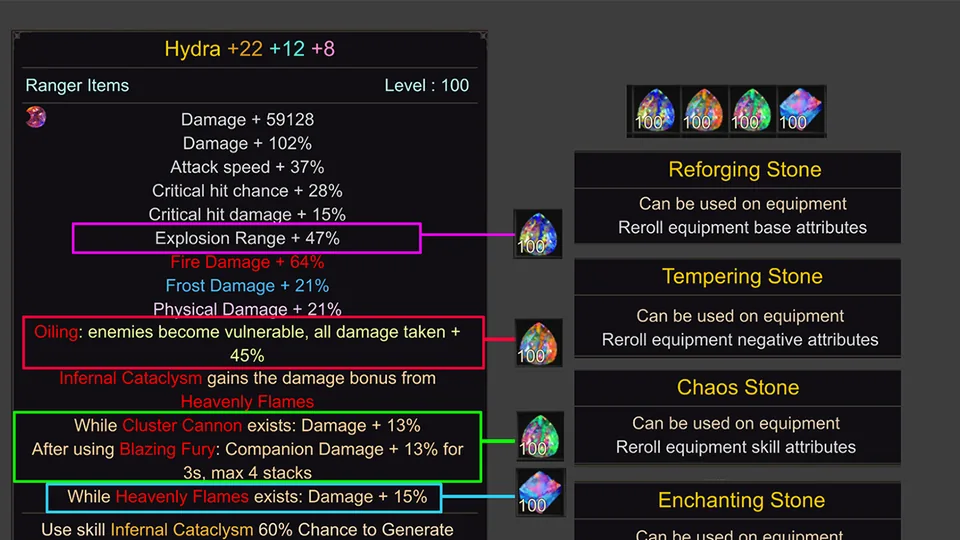
- 370 Talent Skill Runes
- 6,800 Equipment Skill Runes
- 60 Attribute Runes
- Socketing Stones
- Super Enhancement Stones
- Essence Stones
- Permanent Magic Stones
- Golden Hammer
- Divine Mirror
That reward list is the real reason Greater Rifts matter. They are not just “campaign but harder”; they are where several late-game build-modification resources are documented to live.
Level 100 and Paragon
Normal character level caps at 100.
After that you unlock:
- Paragon Levels
- Paragon Talent Tree
- further attribute progression
The important distinction: Paragon is post-cap character growth; Greater Rifts are post-story content/reward progression. They work together, but they are not the same system.
What happens to normal skill points?
The Steam store advertises unlimited skill points for advanced hybrid builds in late-game progression. The 1.0 pitch is clearly designed around eventually expanding beyond a narrow early tree.
That does not mean you should make a messy hybrid at level 20. Early leveling still benefits from a coherent damage plan. Late game is where the giant tree/item sandbox starts making sense.
Sets and the item chase
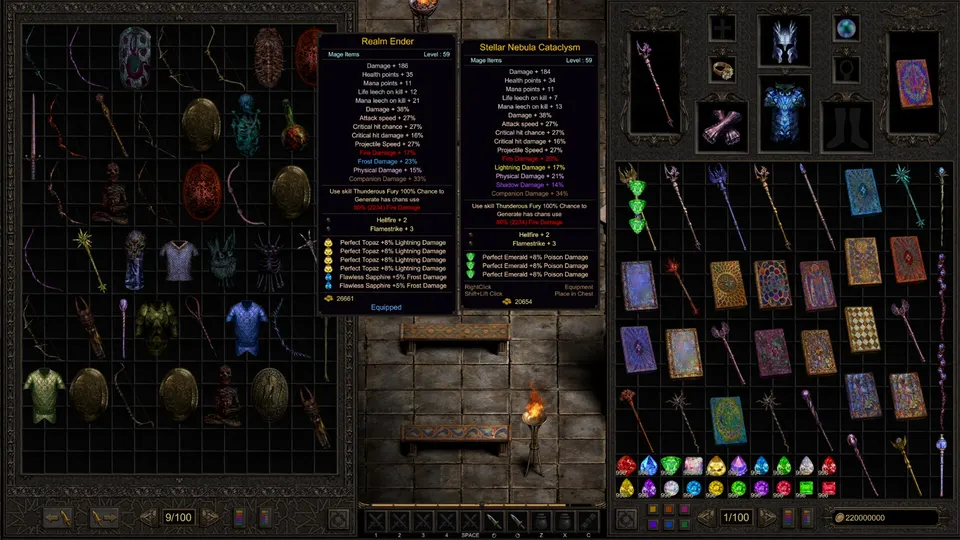
Each class has 15 different sets in the full release, and the developer says most sets include affixes that alter skill forms.
Combine that with:
- 1,000+ new weapon affixes
- 2,400 weapon-granted skills
- higher-Rift affix opportunities
- Rift-exclusive runes/stones
and you get the real endgame loop: the build is not finished when you hit 100; it finally has enough systems to become weird.
A sensible endgame progression
We cannot publish an exact “Paragon 37 before Master” ladder yet, so here is the honest version:
- Finish the main story near 99–100.
- Unlock Paragon at the cap.
- Enter Greater Rifts on Normal.
- Use Rift drops to improve the build.
- Move up only when the current difficulty is comfortable enough that extra reward quality beats slower clears.
- Keep testing gear rather than blindly chasing rarity.
That is generic because the game has been live for a day. It is also better than making up breakpoints.
Greater Rifts vs Mystic Dungeon Challenges
The Steam store separately lists Mystic Dungeon Challenges. The 1.0 announcement documents Greater Rifts as the post-story mode.
Until the developer explicitly says those names are the same system, treat them as separate labels instead of merging them because they both sound dungeon-y.
What we are waiting to verify
The big unanswered endgame questions are:
- whether there are timers or modifiers beyond the 5/10 boss-floor cadence
- boss pools per difficulty
- drop-rate percentages
- practical build thresholds for Master/Nightmare/Inferno
- final Paragon priorities by class
Those are high-value pages later. Today, inventing them would only make the site look complete while making the information worse.